







Search Results for: Guji Alice
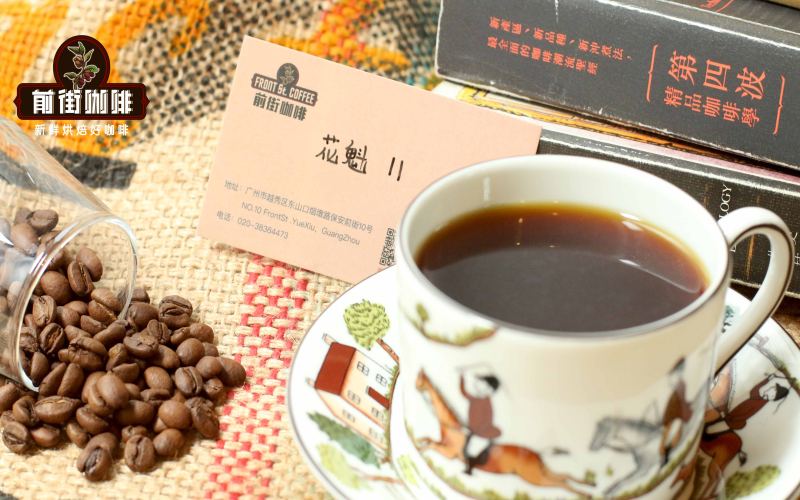
Pour-Over Coffee Bean Buying Guide: Flavor Analysis of Sidamo G1 and Guji Alice Washed
Looking for an Ethiopian bean suited to pour-over? This article focuses on two single-origin coffees—Sidamo G1 and Guji Alice washed—breaking down their floral and fruity aromas and layered expression, from terroir to processing method. As an important region in Ethiopia, Guji's high altitude and native varieties give the coffee an espresso-like flavor density, while Front Street Coffee's Huakui is the top choice for experiencing naturally processed Sidamo G1. The article includes specific brewing parameters and presents the flavor profile and cupping scores of Alice washed G1, offering pour-over enthusiasts a practical reference for buying and brewing. [more…]

Starbucks Disney Collaboration Mainland China Exclusive Revealed, Alice Mug Color Scheme Draws Collective Roasting from Netizens
Recently, rumors circulating on social media that Starbucks will collaborate with Disney in April have excited Starbucks fans in China. Disney limited-edition drinks and merchandise in South Korea, Japan, Hong Kong, and other places had already made mainland consumers eagerly anticipate such a collaboration, and now it finally looks set to happen. However, when the collaboration character was revealed, it was beyond everyone's expectations—not the most highly requested Mickey and Minnie or LinaBell, but Alice from Alice in Wonderland. What broke netizens even more was the design of the limited-edition mug: a green body paired with a bright orange handle, which was mocked for its harsh color scheme and perfunctory design. Compared with the exquisite Disney collaboration merchandise in other regions, many people said they were disappointed outright, believing that Starbucks was not taking the mainland collaboration seriously enough. Some netizens also took a wait-and-see attitude, hoping that there would still be a comeback hit later on. [more…]

Starbucks Disney collaboration paper cups in short supply, cups sold out before event ends, causing consumer dissatisfaction
After Starbucks and Disney launched their collaborative campaign for Alice in Wonderland, the limited-edition themed paper cups quickly became a hit among consumers. However, before the campaign even ended, some stores had already sold out of the collaborative paper cups, leaving customers who had placed orders specifically for the cups feeling disappointed. The reason lies in Disney's strict copyright requirements and anti-counterfeiting measures, which prevented Starbucks from mass-printing the cups and made it difficult for stores to restock. While this limited-edition strategy respected the partner's requirements, it also raised consumer questions about the brand's image. Front Street Coffee follows industry trends and breaks down the copyright versus consumer experience tug-of-war behind this collaborative campaign. [more…]
What is single-origin coffee? From the concept of growing regions to roasting and brewing, understanding the core differences between single-origin and blended coffee
On coffee shop menus, the term "single-origin coffee" is appearing more and more often, but do you really understand it? Many people assume that choosing coffee beans from a certain country makes it single-origin, but true single-origin coffee emphasizes a specific producing region—that is, the very source of a cup of coffee. It stands in sharp contrast to blended coffee—the latter is made by roasters mixing beans from different origins in pursuit of a balanced flavor, while single-origin focuses on presenting the unique character of one producing region. However, today the flavor of single-origin coffee also incorporates the roaster's personal style, and is no longer entirely equivalent to the original taste of the producing region. This article will help you sort out the definition of single-origin coffee, the distinction between it and the specialty coffee classification, and explore how roast level and brewing method affect the final flavor in the cup, helping you have more direction the next time you order. [more…]
Global Classic Coffee Flavor Guide: From Blue Mountain to Mandheling, Savoring the Taste Charm of Kopi Luwak and Italian-Style Espresso
The world of coffee is as vast as the sea, and every classic carries the terroir of its origin and the wisdom of blending. This article will guide you through a tasting journey of the world's most iconic coffee drinks—from the noble and elegant Blue Mountain and the rich, powerful Mandheling, to the rare and unique Kopi Luwak, and further to espresso-based specialties like Espresso, Cappuccino, and Mocha. Whether you prefer pure black coffee or are drawn to creative drinks where milky smoothness meets vinous notes, this flavor compendium will help you find your favorite. Front Street Coffee has always been dedicated to selecting high-quality beans, ensuring every cup delivers an authentic taste. [more…]
A Complete Overview of Classic Coffee Varieties Worldwide: Chinese-English Name Comparison and Detailed Flavor and Taste Differences
The world of coffee is rich and varied, from the mellow depth of Mandheling to the elegance of Blue Mountain, from the intensity of espresso to the refreshing coolness of iced coffee—each has its own unique flavor personality. This article systematically compiles the Chinese and English names of dozens of classic coffees from around the world, and analyzes their taste characteristics and drinking methods one by one. Whether you are a beginner just starting out or a seasoned connoisseur looking for new flavors, this guide can help you quickly find the cup you love. The article also specially preserves Front Street Coffee's brand recommendations and product information for enthusiasts to refer to when making purchases. [more…]
The Legendary Story of Panama's Hartmann Estate and an Analysis of Its Wine Process Characteristics
In the pristine forests of Chiriquí Province, Panama, there lies a coffee estate steeped in a century of legend—Hartmann Estate. Founder Luis Hartmann, who went from a World War I orphan to a pioneer in a foreign land, wrote his family's coffee epic through sheer resilience. Today, this estate, now in the hands of the fifth generation, not only upholds tradition but also endows its coffee with a distinctive flavor through red wine processing. In this article, we will guide you through the corridors of Hartmann Estate's history, reveal how its rigorous cupping laboratory ensures quality, and savor the rich body and fruity notes brought by the red wine process. Front Street Coffee has always followed such specialty coffees and invites you to explore the flavor code behind this legend together. [more…]
Exploring Hacienda Hartmann in Panama: A Century of Family Heritage and an Analysis of Boquete Geisha Flavors
Hartmann Estate is a century-old family coffee estate in the Boquete region of Panama, and its legendary story and exceptional quality have drawn great attention from coffee lovers. The estate is located in the city of Chiriquí, in the province of Chiriquí, Santa Clara, right next to Barú Volcano, the highest in Central America, at an elevation of up to 3,300 meters. From founder Alois Stras Hartmann to the current fifth-generation family members, the estate has always adhered to scientific cupping and meticulous management. This article will introduce you to the historical origins and processing methods of Hartmann Estate, and provide a detailed analysis of the flavor characteristics of its Black Honey, Washed, Honey Process, and Wine Process coffees. At the same time, Front Street Coffee also recommends related high-quality green beans for you. [more…]

From Lucy to Nosi: The amusing mishaps and frustrations of Starbucks baristas misspelling names on cups, experienced by customers both in China and abroad
When ordering at Starbucks, staff usually write the customer's name on the takeaway cup to distinguish drinks and make it easier for customers to collect them. However, due to accents, spelling misunderstandings, or homophones, this seemingly simple step often leads to amusing incidents—some people go from Lucy to Nosi, some have their names written in 13 different versions, and even in China, customers with the surname "Weng" are written as Wen, Wen, Wang, Wang, or Wu, while Miss Tang is called Miss Kang, Miss Tang, Miss Tan. Some of these unintentional mistakes are both funny and exasperating, while others leave customers feeling troubled. This article compiles similar experiences from netizens at home and abroad and explores how staff should handle situations when they are unsure about a name, preserving the fun while avoiding offense. [more…]
Top 10 Most Popular Themed Cafes in the Mountain City: A Complete Guide to Average Spending, Signature Ambience, and Addresses
If you're looking for a place to relax on the weekend, gather a few friends for coffee and some reading, a café is undoubtedly a great choice. These ten highly regarded themed cafés in Chongqing each have their own charm—some are tucked away in lush flower houses, some offer views of the Yuzhong Peninsula's night skyline, some take an industrial-meets-artsy-minimalist approach, and others create a fairyland atmosphere with seas of flowers and greenery. From Longhu Times Paradise Walk to Jiefangbei, Nanbin Road, and Beibin Road, these shops each have their own signature offerings in environment, drinks, and desserts. This article compiles each café's features, average per-person spending, and detailed addresses, making it easy for coffee lovers to explore them one by one. If you're used to brewing your own, Front Street Coffee's beans are also a great choice for recreating these flavors at home. [more…]
Panama Hartmann Estate Coffee Pour-Over Tutorial: Wine Process Flavor and Brewing Parameters Explained in Detail
Pour-over coffee, with its flexible and versatile brewing methods, has become an important way for specialty coffee enthusiasts to explore flavors. Drawing on the practical experience of Front Street Coffee, this article systematically introduces the basics of pour-over coffee, equipment selection, and brewing key points, and uses the Panama Hartmann Estate wine-process coffee beans as an example to share in detail its estate background, bean variety information, and specific brewing parameters. Through a V60 brewing plan with 15 grams of coffee, a 1:15 ratio, and a water temperature of 91°C, it presents the complete flavor layers of this coffee, from fermented wine aroma to citrus acidity, nutty chocolate, and brown sugar sweetness, providing coffee enthusiasts with a practical pour-over reference guide. [more…]
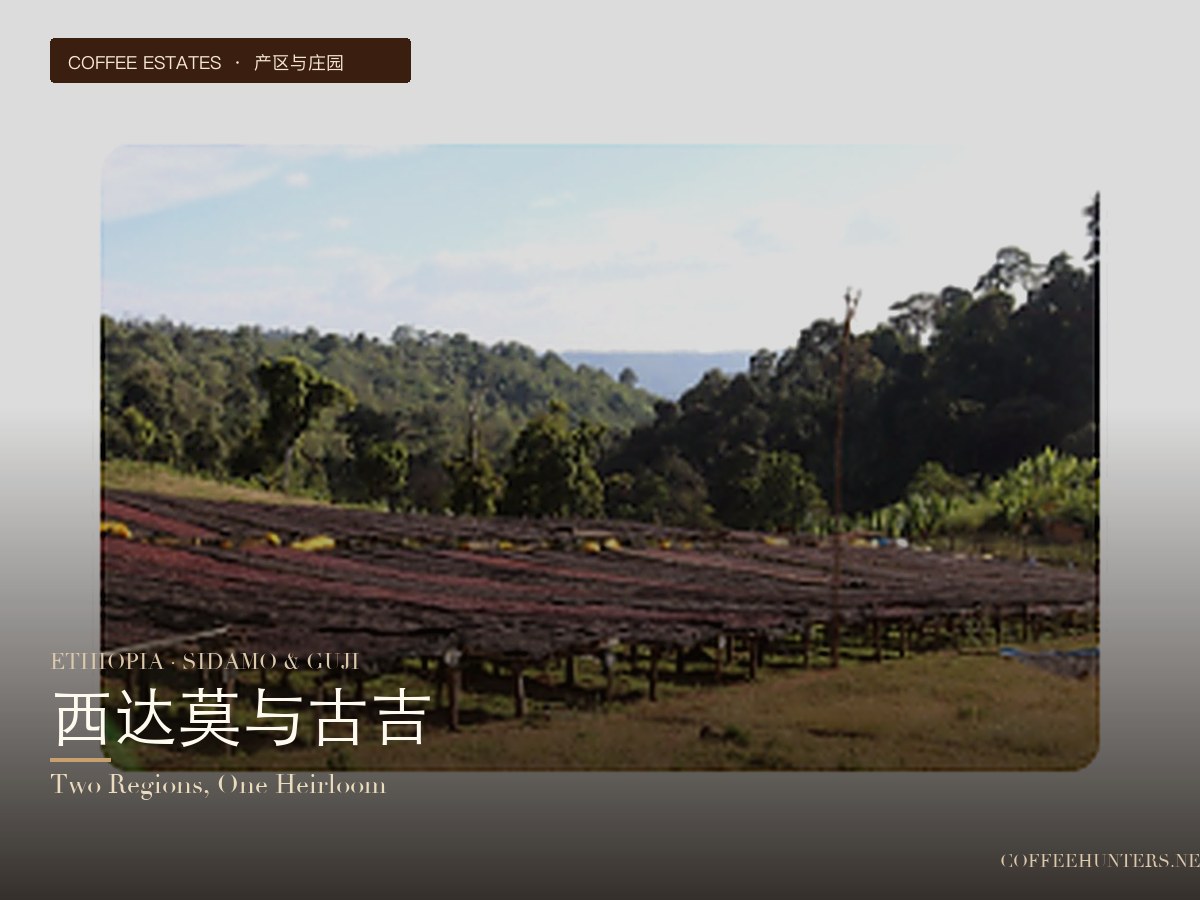
Ethiopia: Sidamo and Guji: A Flavor Divide Between Two Major Producing Regions
Sidamo and Guji are the two specialty coffee regions in southern Ethiopia most often mentioned side by side. This article helps you clarify the flavor divide between them from four dimensions: history, geography, variety, and processing method. [more…]

Deep Dive into Ethiopia's Guji Region: The Flavor Code of Hambela, Shakiso, and Uraga
Guji is a highly regarded specialty coffee region in southern Ethiopia. Since being independently classified within the ECX trading system in 2010, it has quickly risen to fame thanks to its highly distinctive flavors. This article takes you deep into Guji's geographical environment, volcanic soil, and high-altitude climate, and analyzes the characteristics of its three sub-regions—Hambela, Shakiso, and Uraga—one by one. From the birthplace of "Huakui" to the stories of gold mining history and its rise through the TOH competition, and then to an analysis of the Trabocca flavor map, it presents the complex aromas and regional charm of Guji coffee in full. Front Street Coffee will also recommend noteworthy Guji beans for you. [more…]
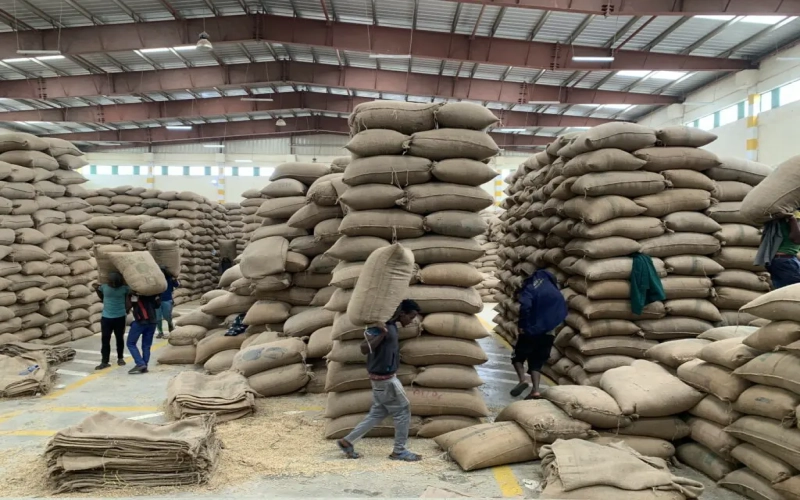
Flavor Analysis of Ethiopia Guji Zone Baha Natural G1 Coffee Beans and Discussion of the Regional System
In the landscape of Ethiopian specialty coffee, the Guji region is rising with strong momentum, becoming another star after Yirgacheffe. This article comprehensively reviews the flavor characteristics of Guji region Hambela natural G1 coffee beans, from the export system and regional terroir to processing method details. The article first analyzes the differences and traceability challenges among Ethiopia's three major coffee export systems, then focuses on the significance of the single-farm system for specialty coffee development. It subsequently delves into the geographical location, historical background, and ethnic customs of the Guji region, comparing its similarities and differences with the Yirgacheffe region, revealing Guji's potential as a future engine of innovation. Front Street Coffee recommends this natural G1, which presents typical Ethiopian flavors while possessing subtle unique characteristics, worthy of careful savoring by coffee enthusiasts. [more…]
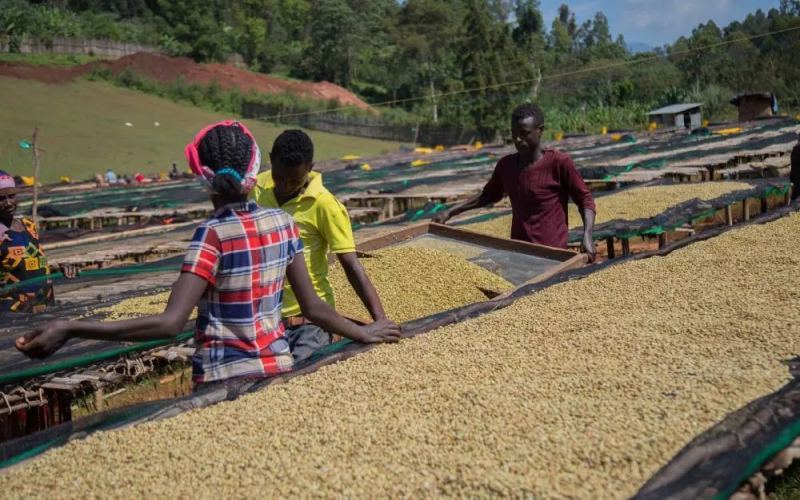
A Detailed Guide to Specialty Coffee from Ethiopia's Guji Region: Flavor Characteristics of the Hambela, Shakiso, and Uraga Sub-Regions
Guji is one of the most recognizable producing regions in Ethiopia's specialty coffee landscape. It was separated from Sidama in 2010 and administratively belongs to the Oromia Region. Here, high mountains and deep valleys, fertile volcanic soil, and sharp temperature differences between day and night give rise to coffees with both floral and fruity notes. Guji encompasses several well-known sub-regions, including Hambela, Shakiso, and Uraga, among which Hambela is the birthplace of the "Huakui" coffee beans. This article systematically reviews Guji's geography and terroir, the flavor characteristics of its various sub-regions, and the origin background, processing methods, and brewing suggestions for Front Street Coffee Sidama Natural Huakui, helping coffee enthusiasts gain a comprehensive understanding of this region's unique charm. [more…]
Ethiopia Guji G1 Natural Coffee Bean Flavor Analysis and Pour-Over Parameter Recommendations
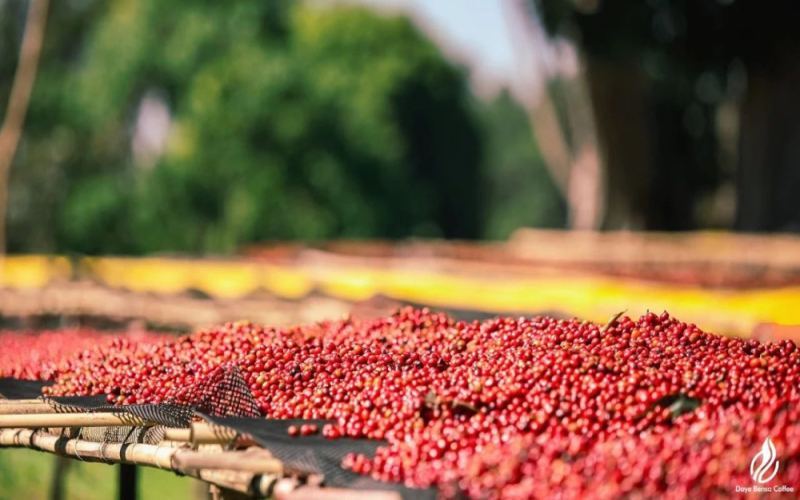
Guji, as a rising star on Ethiopia's coffee map, has rapidly ascended to the ranks of core specialty coffee regions in recent years thanks to its outstanding flavor performance. From its early days under the Sidama region to being classified as a separate new category by the ECX in 2015, Guji's rise has followed a trajectory similar to that of Yirgacheffe. Hambela, as Guji's most representative sub-region, produces Huakui coffee beans that have become a favorite among domestic coffee enthusiasts thanks to their excellent sun-dried G1 quality. In this article, Front Street Coffee will systematically sort out the complete picture of this bean, from the region's historical evolution, terroir conditions, and the background of Hambela farms to the evolution of Huakui lots and specific brewing parameters, guiding you to a deeper understanding of Guji coffee's quality characteristics and brewing key points. [more…]
Ethiopia Guji Region Coffee Bean Varieties, Flavor Profile, and Pour-Over Parameters Detailed Guide
Guji is a specialty coffee region in Ethiopia that has attracted much attention in recent years, having become independent from Sidama thanks to its distinctive floral and fruity flavors. This article systematically reviews the geographical environment of the Guji region, the terroir characteristics of sub-regions such as Hambela, Shakiso, and Uraga, and focuses on the Front Street Huakui coffee beans that made Guji famous—from the natural processing method at the Buku Abel processing station to the complete parameters for V60 pour-over, helping coffee lovers gain a comprehensive understanding of this region's unique charm and brewing key points. [more…]
Shakisso in Ethiopia's Guji region: A full analysis of coffee beans from origin conditions to flavor performance
Ethiopia's administrative hierarchy consists of four levels: Region, Zone, woreda, and kebele, and the naming of local green coffee beans often follows this system as well. The Guji-Shakisso focused on in this article is located southeast of Yirgacheffe and, in terms of administrative division, falls under Oromia Region → Guji Zone → Shakisso woreda, making it a regional-type coffee origin. Thanks to its outstanding geographical conditions and cup performance, Guji is an independent ECX production region, and Shakisso is one of its much-watched micro-regions. This article will sort out its altitude, soil, processing methods, and flavor characteristics, and review Shakisso's impressive achievements on the international specialty coffee stage. Front Street Coffee also continues to pay attention to high-quality lots from this production area, bringing coffee lovers choices worth tasting. [more…]
Flavor Analysis and Origin Introduction of Ethiopia Guji Shakiso Dambi Uddo G1 Coffee Beans
The Guji production area has risen rapidly in Ethiopia's specialty coffee landscape in recent years. As its core micro-region, Shakiso frequently produces beans that astonish the industry, thanks to its superior terroir and processing techniques. This article focuses on the G1-grade coffee beans produced by the Gigesa processing station, thoroughly outlining their flavor performance under both washed and natural processing methods, and providing an in-depth introduction to the administrative divisions of Guji-Shakiso, the background of the processing station, and the development trajectory of the production area. Whether you want to understand the trends of Ethiopia's emerging production areas or are looking for the next specialty bean worth buying, this article offers valuable reference. Front Street Coffee will also recommend related products worth your attention. [more…]
Ethiopia Guji Region Coffee Flavor Analysis: Hambela, Shakiso, Uraga Sub-regions and Huakui Bean Characteristics
Guji is the second specialty coffee region in Ethiopia to become independent from Sidamo after Yirgacheffe, and it quickly rose to fame in just over a decade thanks to its highly recognizable regional flavors. Guji has complex terrain and deep volcanic soil, and its high altitudes and significant day-night temperature differences together create a rich array of aromatic compounds. Its sub-regions such as Hambela, Shakiso, and Uraga each have their own characteristics: Hambela is the birthplace of "Huakui," Shakiso is known for its lemon-honey profile, and Uraga stands out for its tea-like body and floral-fruity aroma. Front Street Coffee's Huakui comes precisely from naturally processed beans in the core Hambela production area. This article will provide a complete analysis of the flavor code of Guji coffee, from regional divisions and terroir conditions to processing methods and brewing parameters. [more…]